Buying a country property in Tivoli or Clermont can feel like a dream until you realize how much of the decision lives beyond the house itself. A charming farmhouse, a big barn, or a long gravel drive may look straightforward, but rural purchases often come down to access, permits, septic, wells, and parcel-specific rules. If you are considering a home in this part of the Hudson Valley, a little extra due diligence can protect both your investment and your peace of mind. Let’s dive in.
Why country property needs closer review
In Tivoli and Clermont, the visible improvements on a property are only part of the picture. The exact lot layout, whether the parcel has legal access to a public road, and whether past work was properly permitted can all affect how you use the property after closing.
Local requirements reflect that reality. Clermont’s building permit process asks about wetland or floodplain status, subdivision approval, deed, plot plan, and county health approval for water and sewage. Tivoli also requires permits for most work and a certificate of occupancy or compliance before a structure can be used.
That means you should avoid assuming that an existing shed, garage, addition, or driveway is fully cleared just because it is already there. In rural markets, each parcel deserves its own review.
Check access and frontage early
Access is one of the most important issues to verify when you are buying country property. A driveway may appear established, but that does not always tell you whether access is legally compliant under local rules.
In Clermont, new or improved driveways that connect to state or county roads need highway-agency approval. Common driveways are limited to two dwellings or commercial premises, and several lot types must have frontage on a public street or on a state or county road.
Tivoli also regulates frontage and driveway use. In some districts, there are limits on front-yard parking and a single primary driveway, so it is worth confirming how the property’s access fits current code before you commit.
What to verify about access
- Frontage on a public, state, or county road where required
- Whether the existing driveway is approved
- Whether any shared driveway arrangement meets local rules
- Whether future driveway changes would need added approvals
Review floodplain, wetlands, and farm-area disclosures
Country parcels often come with land features that matter as much as the house. Before contract, or during your inspection period, it is wise to check whether any part of the property lies in a floodplain, wetland area, or agricultural district.
Clermont’s permit form specifically asks whether the property includes wetland or floodplain areas. Flood maps can also matter for financing because high-risk flood zones may trigger flood insurance requirements for federally backed mortgages.
Agricultural district status is another important item to flag. If a parcel lies partially or fully in an agricultural district, New York law requires a disclosure notice signed by both parties, explaining that nearby farming activity may involve noise, dust, odors, and possible impacts on water or sewer access.
Why overlays matter to you
- They can affect insurance costs
- They may shape where future improvements can go
- They can influence permitting and site planning
- They may come with required disclosures before contract signing
Dutchess County and Columbia County both maintain parcel mapping tools that can help cross-check these conditions during your review process.
Do not overlook barns and outbuildings
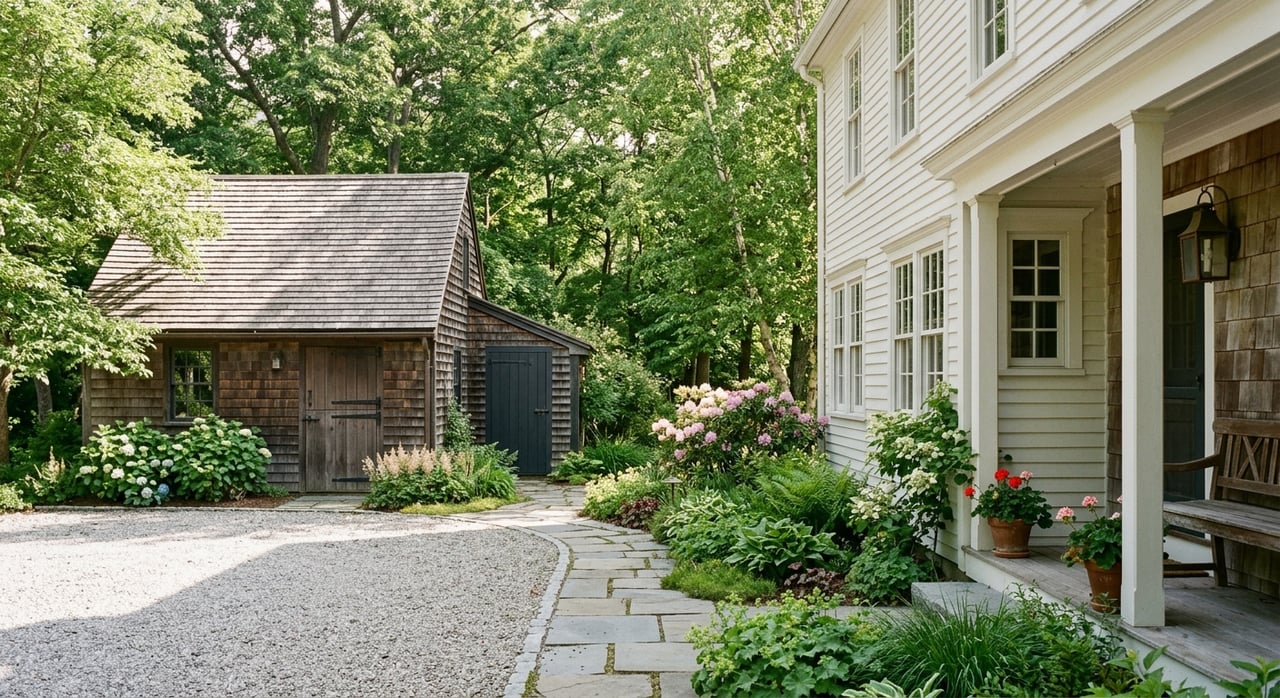
One of the most common mistakes buyers make is focusing only on the main house. On a country property, barns, garages, sheds, fenced storage areas, and temporary structures should all be reviewed separately.
Tivoli requires a building permit for most construction. The code exempts only one-story detached sheds or playhouses under 144 square feet, and in the H-O district it limits accessory buildings to a 750-square-foot footprint, caps lots at three accessory buildings, and requires outdoor storage to be screened from view.
Clermont’s process also shows how detailed rural review can be. Permit applications require a scaled plot plan and inspections at several stages, including staking, footing, foundation, framing, utilities, insulation, septic and water sign-off, and final inspection before occupancy.
Questions to ask about extra structures
- Was each structure permitted if required?
- Is there a certificate of occupancy or compliance where needed?
- Do the number and size of accessory buildings meet local rules?
- Is any outdoor storage subject to screening or placement requirements?
Septic and well inspections are essential
If you are buying in Tivoli or Clermont, septic and well evaluations should be treated as core due diligence, not optional extras. A standard home inspection is still important, but it is not a substitute for specialized review of private systems.
Dutchess County requires a pre-construction lot inspection and can withhold a building-permit recommendation if soil conditions or plan details do not match the approved design. Clermont’s application states that county health approval for water and sewage must be in place before a permit is issued, and that septic and water approvals are checked before the system is covered and again before a certificate of occupancy is issued.
Private wells also come with ongoing owner responsibility. New York State Department of Health guidance recommends testing a new well after installation and before use, then testing for coliform bacteria at least once a year and retesting other contaminants periodically.
Septic maintenance should also stay on your radar after closing. The state advises pumping septic tanks every two to three years, which means these systems should be part of your long-term ownership budget.
Your inspection stack for a rural purchase
- General home inspection
- Septic evaluation
- Well water testing and well-system review
- Access and driveway review where needed
- Permit-history and certificate review
Permit history can save you trouble later
Permit history may not sound exciting, but it can prevent expensive surprises. If a prior owner added a deck, enclosed a porch, built a barn, or installed utilities without approvals, you could inherit the headache.
Clermont’s application materials highlight how many documents can come into play, including the tax map number, deed, plot plan, and county health approval for water and sewage. Tivoli’s code also makes clear that most work needs permits and that structures cannot be used before the appropriate certificate is issued.
For larger or more technical projects, licensed professionals may also be required. Clermont requires plans for one- and two-family homes of 1,500 square feet or more, and for commercial or multifamily work, to bear the seal and signature of a New York licensed engineer.
A smart checklist before you buy
Country homes can be wonderful purchases, but they reward buyers who ask careful questions early. A thoughtful process can help you move forward with more confidence and fewer last-minute surprises.
Here is a practical checklist to keep in mind as you evaluate a property in Tivoli or Clermont:
- Confirm the tax map number, deed, plot plan, and permit history
- Verify the zoning district and any frontage or driveway rules
- Check for floodplain, wetland, and agricultural-district overlays
- Review accessory-structure limits and any relevant outdoor storage rules
- Order a general home inspection plus separate septic and well evaluations
- Ask the county health department for local engineers or contractors if a septic or well issue appears
- Make sure any required agricultural district disclosure is received and understood before contract signing
Why local guidance matters in Tivoli and Clermont
Rural transactions are rarely one-size-fits-all. Two properties that look similar online can carry very different realities when you review access, approvals, systems, and land conditions.
That is especially true in places like Tivoli and Clermont, where buyers are often balancing lifestyle goals with practical questions about use, maintenance, and future improvements. Having clear, local guidance can make the process feel much more manageable.
If you are considering a country property in the Hudson Valley, working with someone who understands the local process can help you ask better questions from the start and spot issues before they become costly. When you are ready to talk through your search, connect with Kyle Elizabeth Irwin.
FAQs
What should you check first when buying country property in Tivoli or Clermont?
- Start with legal access, frontage, zoning, permit history, and septic and well information, since those issues can affect both financing and future use.
Do outbuildings on Tivoli or Clermont properties need permits?
- Often, yes. Tivoli requires permits for most construction, with limited exceptions, and barns, sheds, garages, and similar structures should each be reviewed for permit history.
Why is a septic inspection important for country homes in Dutchess or Columbia County?
- Septic systems are a major part of rural property function and cost, and county health approvals and system conditions can directly affect occupancy, repairs, and future maintenance.
How do floodplain or wetland areas affect a Tivoli or Clermont purchase?
- These areas can affect permitting, future improvements, and insurance requirements, so they should be checked before contract or during the inspection period.
What is the agricultural district disclosure for country property in New York?
- If a parcel is partially or fully in an agricultural district, New York requires a signed disclosure notice explaining that normal farm operations may involve noise, dust, odors, and related impacts.
Is a regular home inspection enough for a rural property in Tivoli or Clermont?
- No. A general home inspection is important, but rural purchases should also include specialized septic, well, and access review where appropriate.