If you are drawn to places where architecture shapes everyday life, Hudson has a way of getting your attention fast. In just a compact stretch of city blocks, you can move from early brick houses and rowhomes to galleries, antiques, restaurants, and landmark cultural spaces, all within a street pattern that still feels remarkably intact. If you are considering buying, selling, or simply getting to know Hudson better, this guide will help you understand why the city’s historic homes and design scene are so closely connected. Let’s dive in.
Why Hudson Feels So Distinct
Hudson sits on the east bank of the Hudson River in Columbia County, about thirty miles south of Albany. Founded in 1783, it was laid out in a narrow rectangular grid that extended inland about a mile. That early plan still shapes the city today.
For you as a buyer or homeowner, that matters because Hudson does not read like a spread-out suburban market. Its historic core feels coherent and walkable, with Warren Street serving as a defining corridor of mostly commercial buildings constructed between 1784 and 1930. Storefronts sit uniformly at the sidewalk edge, which gives downtown a strong visual rhythm and a sense of continuity.
The city’s compact plan also helped protect much of its historic fabric. According to the National Register nomination, limited open space in the original grid reduced later redevelopment pressure in the center, while growth shifted more toward the fringe. In simple terms, Hudson still looks and feels like Hudson because its original layout made large-scale disruption less likely.
Hudson’s Historic Homes at a Glance
Hudson’s housing stock is varied, and that is part of its appeal. You are not looking at one uniform style or one narrow version of “historic home.” Instead, you will find a layered mix of building types and eras within a relatively small geography.
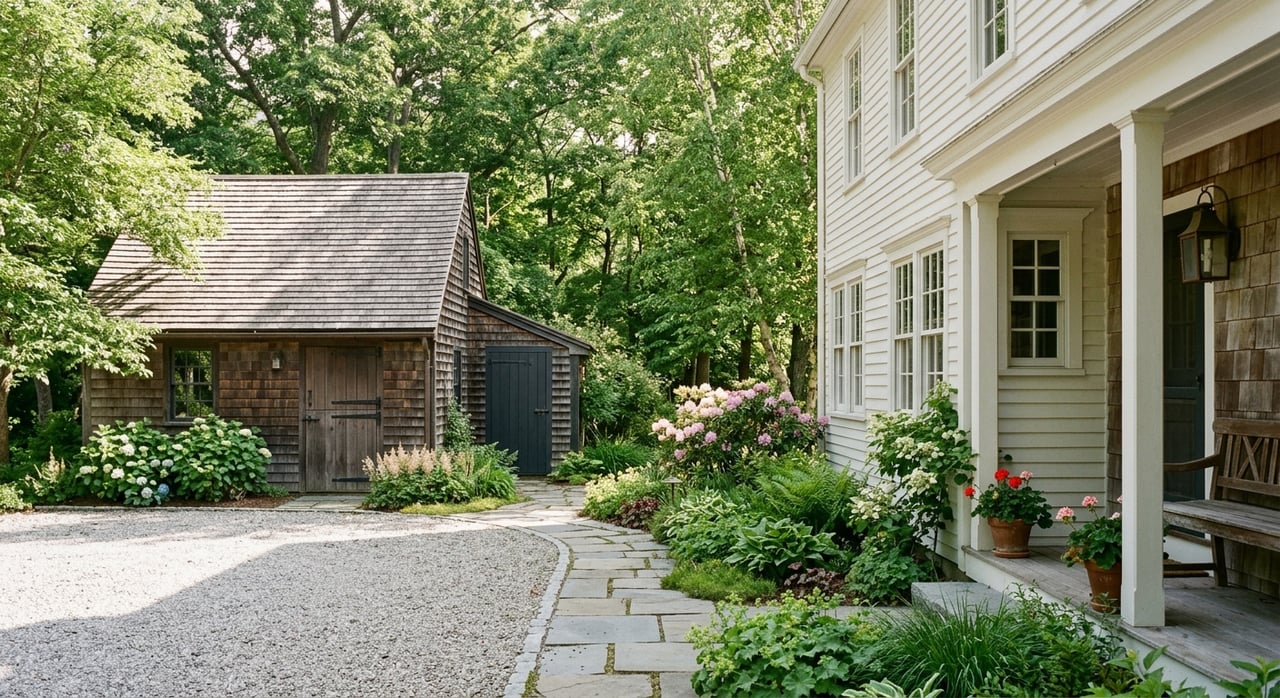
The historic core includes early brick and frame houses, Federal and Greek Revival residences, Italianate and Victorian-era buildings, and late nineteenth- and early twentieth-century rowhouses. The National Register nomination also notes three- and four-story attached commercial buildings, a Queen Anne-style row, and smaller brick or frame dwellings west of Third Street.
That variety creates different ownership experiences depending on the property. Some homes are compact and urban in feel, with the charm of attached town house living. Others are detached period residences on quieter residential streets, while a few are larger houses with a stronger connection to Hudson’s mercantile and civic history.
Streets That Show Hudson’s Range
Some of Hudson’s strongest residential corridors are Union Street and Allen Street. These streets are described in the National Register nomination as having homes that range from early vernacular structures to more substantial nineteenth-century houses.
For you, that means the historic experience in Hudson can shift block by block. One street may offer a more modest, close-knit rhythm of homes, while another may feature larger period houses with more architectural detail. That range is one of the city’s strengths, especially for buyers who value character but want options in scale and setting.
Warren Street and Daily Design Life
Hudson’s design identity is not limited to private homes. It is deeply tied to the downtown environment, especially along Warren Street and the adjacent blocks, where the architecture and street life reinforce one another.
The 2026 Visit Hudson walking guide groups downtown offerings into venues, shopping, dining, services, and special events. Within the 500- to 700-blocks and nearby streets, it lists a dense mix of galleries, antiques, interiors shops, boutiques, cafes, and restaurants. Examples named in the guide include Stair Galleries, Combray Gallery, Carrie Haddad Gallery, The Shop, Le Perche, Swoon Kitchenbar, The Maker Cafe, and Olde Hudson.
This mix helps explain why Hudson appeals so strongly to design-conscious buyers. The same blocks that hold historic storefronts and rowhouses also support a lively day-to-day culture of art, home furnishings, food, and retail. The built environment is not just a backdrop here. It is part of the lifestyle.
Historic Buildings That Still Work Hard
One of Hudson’s most compelling qualities is that its older buildings are still active civic and creative spaces. They are not frozen in time. They continue to host programs, events, and public life.
Hudson Hall describes itself as a historic and landmarked building that houses New York State’s oldest surviving theater, with year-round visual arts, performing arts, and educational programming. Basilica Hudson offers another strong example of adaptive reuse. Located in a reclaimed 1880s industrial factory, it now operates as a nonprofit art center and event venue and welcomes more than 20,000 visitors each season for festivals, screenings, markets, installations, residencies, and community events.
For a homeowner or prospective buyer, that matters because it shows how deeply Hudson’s architecture is woven into the life of the city. Historic preservation here is not only about appearance. It also supports cultural use, local identity, and downtown activity.
Waterfront and Industrial History Matter Too
When people picture Hudson, they often think first of Warren Street and the historic residential blocks. But the waterfront and former industrial areas are also part of the city’s story.
The National Register text explains that railroad and industrial development transformed the South Bay area. Surviving resources such as the Hudson Railroad Station and the Hudson and Boston Railroad Shop still reflect that history. Basilica Hudson is perhaps the clearest present-day example of how industrial space can be reclaimed and given a new cultural role.
If you are evaluating Hudson as a place to live, this broader context adds depth. The city’s design scene is not built only on polished historic facades. It is also shaped by industrial remnants, adaptive reuse, and the visual contrast between mercantile, residential, and former working areas.
What Buyers Should Know About Renovations
If you are considering a historic property in Hudson, design appeal should be matched with practical due diligence. The city’s preservation rules play an important role in what you can change on certain properties.
Hudson requires a Certificate of Appropriateness for exterior alterations, additions, restoration, reconstruction, demolition, new construction, moving a landmark, or making material changes to a property in a local historic district. That means a purchase involving a historic property often calls for a closer review of the property’s status, past work, and your future plans.
The city’s code also notes that the Historic Preservation Commission generally does not consider interior changes unless the interior itself is specifically landmarked. Its decision criteria emphasize retaining character-contributing properties with as little alteration as possible, keeping changes compatible with the district, and making sure new construction fits the surrounding historic setting.
For you, the key takeaway is balance. Hudson’s preservation framework allows change, but it asks that change be compatible with the city’s architectural character. That structure is a major reason the historic core remains so visually strong.
What Sellers Can Highlight
If you are selling a home in Hudson, the architectural conversation matters. Buyers are often responding not just to square footage or finish selections, but also to how a property fits into the city’s broader sense of place.
That can include the home’s building type, period details, street context, and relationship to walkable destinations. A compact brick town house near the core may appeal for different reasons than a larger detached period residence on a quieter block, but both can benefit from thoughtful positioning.
Hudson also attracts buyers who care about design, history, and daily surroundings. Presenting a property well means understanding how to frame not only the house itself, but also its setting within Hudson’s layered architectural and cultural landscape.
Why Hudson Appeals to Design-Conscious Buyers
At its best, Hudson offers a rare combination of character, density, and cultural energy. You can find historic homes, mixed-use blocks, galleries, restaurants, and landmark arts venues woven into a city plan that still makes visual sense more than two centuries after it was laid out.
That is a big part of why Hudson stands out in the Hudson Valley. Its design scene is not something added on top of the architecture. It grows directly from the architecture, the street grid, the preserved storefronts, the residential blocks, and the ongoing reuse of older buildings.
If you are searching for a place with a genuine sense of place, Hudson rewards close attention. And if you are preparing to buy or sell here, local knowledge matters, especially when the details of architecture, preservation, and positioning can shape both value and experience.
Whether you are exploring a historic purchase, preparing to list a distinctive home, or refining your search in Columbia County, working with someone who understands both the numbers and the nuances can make all the difference. To start the conversation, connect with Kyle Elizabeth Irwin.
FAQs
What types of historic homes can you find in Hudson, NY?
- Hudson’s historic core includes early brick and frame houses, Federal and Greek Revival residences, Italianate and Victorian-era buildings, rowhouses, and mixed-use historic buildings within a compact street grid.
What makes Hudson’s design scene unique?
- Hudson’s design scene is closely tied to its built environment, with galleries, antiques shops, interiors stores, restaurants, and cultural venues located within historic storefronts and older civic or industrial buildings.
What should buyers know about renovating a historic property in Hudson?
- In local historic districts, many exterior changes require a Certificate of Appropriateness, so buyers should review a property’s historic status and renovation plans carefully before moving forward.
Which streets in Hudson show strong historic residential character?
- The National Register nomination specifically notes Union Street and Allen Street as strong residential corridors with homes ranging from early vernacular structures to larger nineteenth-century houses.
How does Hudson’s history shape life in the city today?
- Hudson’s original 1783 street grid, preserved downtown blocks, and active reuse of older buildings help create a walkable, visually cohesive city where architecture, culture, and daily life remain closely connected.