Selling a home in Rhinebeck Village is rarely a simple plug-and-play process. Buyers here notice the details, compare presentation carefully, and often weigh character, condition, and setting just as much as square footage. If you want to sell strategically, you need more than a sign in the yard. You need a plan built around pricing, preparation, timing, and negotiation. Let’s dive in.
Understand the Rhinebeck market first
A smart sale starts with the market you are actually in, not the one you remember from a year or two ago. In April 2026, Rhinebeck had 53 homes for sale, a median listing price of $765,000, a median sold price of $836,000, a 101% sale-to-list ratio, and 58 median days on market, according to Realtor.com. That points to a market where strong homes can still perform very well, but buyers are not buying blindly.
The broader Dutchess County backdrop tells a similar story. OneKey MLS reported 2.7 months of inventory in Q1 2026, a median sales price of $495,000, and 65 days on market. Supply remains relatively tight, but the pace is more measured than at the height of the pandemic market.
That distinction matters if you are selling a distinctive village property. A balanced market can still reward quality, but it also tends to expose overpricing and weak presentation more quickly. Strategic sellers treat that as useful information, not a setback.
Price with local precision
Pricing is where many village sales are won or lost. In a place like Rhinebeck, broad online estimates can miss the nuances that shape value from one block to the next.
The most reliable approach is to start with recent local MLS comparable sales and then adjust for the factors buyers actually care about. That may include lot size, parking, updates, architectural character, outdoor space, views, and the location within the village. For some homes, historic-district context can also affect what improvements are feasible and how buyers perceive future flexibility.
It is also important to stay skeptical of single headline numbers. Small sample sizes can skew public market snapshots. The research shows just how wide that gap can be, with one February 2026 snapshot showing a much lower median sale price based on only one sold home, while Realtor.com’s broader April 2026 summary showed a much higher median sold price.
The takeaway is simple: your home should be priced against the most relevant recent sales, not against a generic regional average or a hopeful guess. Rhinebeck’s 101% sale-to-list ratio suggests buyers will still pay for value, but it does not mean every listing will spark a bidding war.
Prepare early, especially for exterior work
If your home is in or near Rhinebeck’s historic district, timing matters before you ever go live. The village historic district was expanded in January 2021, and certain exterior changes may require Planning Board review. The Town of Rhinebeck zoning administrator also reviews building permits and issues sign permits and demolition permits for historic structures.
That means pre-listing improvements should start earlier than many sellers expect. If you are planning exterior painting, repairs, signage, or other visible changes, it is wise to confirm what review or permitting may apply before setting a launch date. A delay here can push your marketing timeline back at the exact moment you want momentum.
Even if your home does not require approvals, the larger lesson still holds. The most successful listings are usually prepared, not rushed. Advance planning gives you more control over cost, quality, and timing.
Focus on presentation that fits the house
Rhinebeck Village buyers are often drawn to homes with personality and a strong sense of place. That means presentation should enhance the home’s character, not flatten it.
For many sellers, the best first moves are practical. Declutter rooms, reduce visual noise, and make small repairs that distract from the home itself. Realtor.com’s 2026 seller survey found that 50% of potential sellers had already made small fixes or decluttered, and 44% had determined which improvements to make before listing.
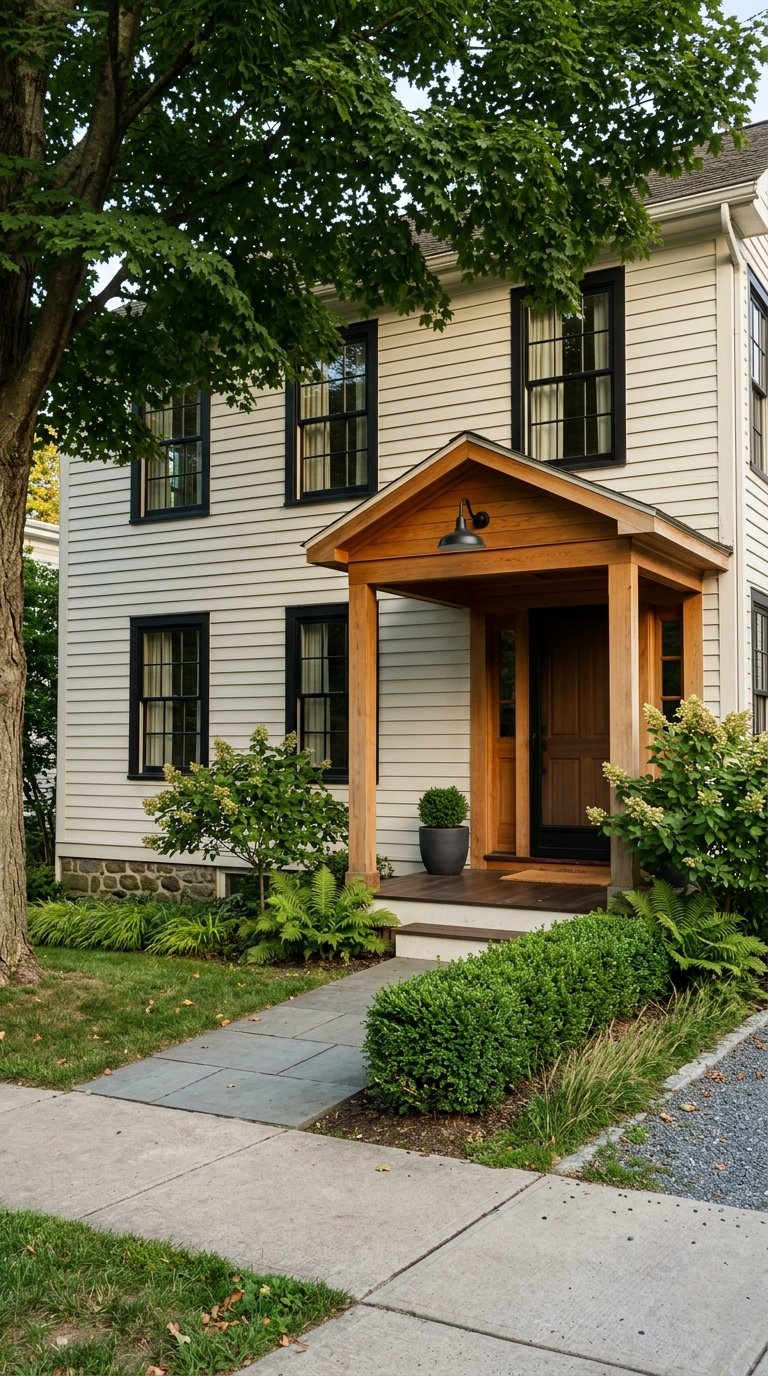
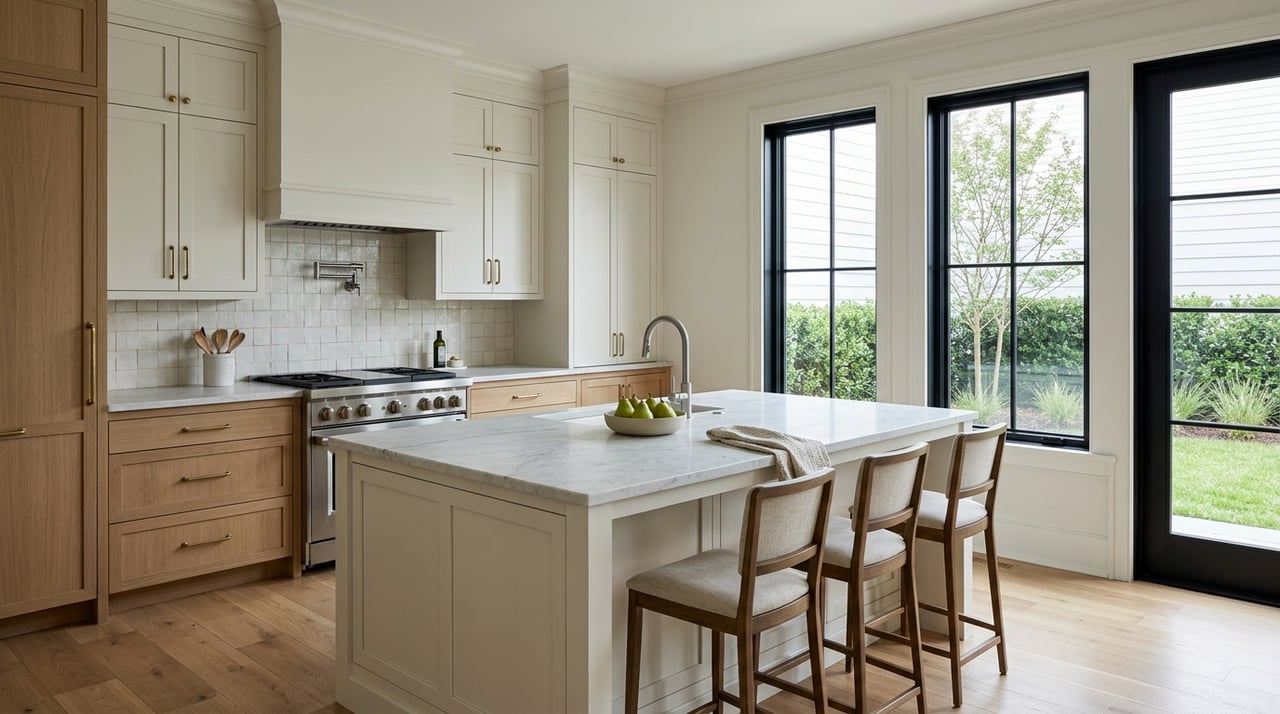
Curb appeal also matters in spring and early summer, when buyers respond strongly to natural light and exterior appearance. Fresh landscaping, clean walkways, and a well-kept entry can frame the showing before a buyer steps inside. Inside, neutral styling often works best, but neutral does not have to mean lifeless. The goal is to make the home feel calm, edited, and easy to imagine living in.
For distinctive village homes, photography deserves special attention. Good images should highlight architecture, light, and setting with honesty and polish. In a market where buyers may be comparing several character-rich homes at once, strong visuals help your listing stand apart for the right reasons.
Time your launch thoughtfully
Timing can help, but timing alone will not rescue an unprepared listing. Realtor.com identified April 12 through 18, 2026 as the best week nationally to list, with more views, faster sales, and slightly higher prices than average. By mid-May 2026, that exact peak had passed, but the broader spring market remained the strongest seasonal window for a prepared home.
For Rhinebeck sellers, the more important question is not whether you can catch one ideal week. It is whether your home can hit the market fully ready when buyers are active. A polished launch in a strong seasonal window usually beats a rushed launch aimed at an arbitrary date.
This matters even more because current market time is not instant. Rhinebeck’s median days on market is 58, compared with 65 in Dutchess County and 132 in nearby Clinton Corners. Well-positioned homes can move efficiently, but sellers should still plan for a process that may take weeks, not days.
Expect selective buyers and balanced negotiations
Today’s buyers are still active, but they are more rate-sensitive and more selective than they were during the frenzied years. Nationally, the 30-year fixed mortgage rate averaged 6.36% on May 14, 2026, and existing-home sales had slowed month over month in March. In the Hudson Valley, lifestyle and second-home demand remains part of the buyer mix, but that does not eliminate scrutiny.
This is why strategy after launch matters just as much as strategy before launch. Buyers may love the house and still negotiate on timing, inspections, or concessions. Realtor.com’s spring seller survey found that while 83% of potential sellers expected asking price or more, 39% also expected concessions.
That combination should feel familiar in Rhinebeck right now. Confidence is reasonable, but flexibility is often part of a successful deal. A strong seller does not react emotionally to every request. Instead, you evaluate each term in context and protect your priorities without losing sight of the whole transaction.
Build a plan for the first 30 days
The first month on market usually gives you the clearest signal about whether your strategy is working. Showings, buyer feedback, agent feedback, and the pace of interest can all reveal whether price and presentation are aligned.
If the response is strong, your job is to stay disciplined. Review offers carefully, compare not just price but terms, and look at the total strength of the buyer. If the response is softer than expected, the best next step is usually a clear-eyed reassessment, not denial.
Many sellers already understand this instinctively. Realtor.com found that 35% of potential sellers would reduce price if the home did not sell on schedule. In a market like Rhinebeck, a timely adjustment can protect your final result better than allowing a listing to sit without a plan.
What strategic selling looks like in Rhinebeck Village
In practical terms, a strategic sale usually comes down to four things. You price from true local evidence, prepare the home with care, launch with strong visuals, and stay realistic about timing and negotiation.
That approach fits the current market well. Rhinebeck remains a desirable and relatively constrained market, but buyers have choices and high standards. The homes that stand out tend to be the ones that feel intentional from day one.
If you are selling a village home with architectural character, historic context, or a design-forward feel, nuance matters. The right strategy is rarely generic. It should reflect the property itself, the micro-location, and the buyer pool most likely to respond.
When you are ready to shape that plan, working with a broker who understands both the numbers and the character of the local market can make all the difference. For tailored guidance on pricing, presentation, and positioning your Rhinebeck Village home, connect with Kyle Elizabeth Irwin.
FAQs
How competitive is the Rhinebeck housing market for sellers?
- Rhinebeck remains relatively tight, with 53 homes for sale in April 2026, a 101% sale-to-list ratio, and 58 median days on market, which suggests well-prepared homes can still perform strongly in a balanced market.
How should you price a Rhinebeck Village home?
- The strongest pricing strategy uses recent local MLS comparable sales and adjusts for details like block, lot size, parking, updates, views, and any historic-district considerations rather than relying on broad online estimates.
Do historic district rules affect selling a Rhinebeck Village house?
- They can, because some exterior changes in the village historic district may require review, so it is smart to confirm approval or permit needs early if you are planning pre-listing work.
How long does it take to sell a home in Rhinebeck?
- According to the April 2026 local market summary in the research, Rhinebeck had a median of 58 days on market, so sellers should prepare for a process that may take several weeks rather than expecting an immediate sale.
What improvements matter most before listing a Rhinebeck home?
- Small repairs, decluttering, curb appeal, and polished photography tend to matter most because they help buyers focus on the home’s character, condition, and setting.
Should Rhinebeck sellers expect concessions from buyers?
- Yes, that is possible in the current market, since seller expectations remain strong but the negotiating environment is more balanced and some buyers may ask for concessions on certain terms.