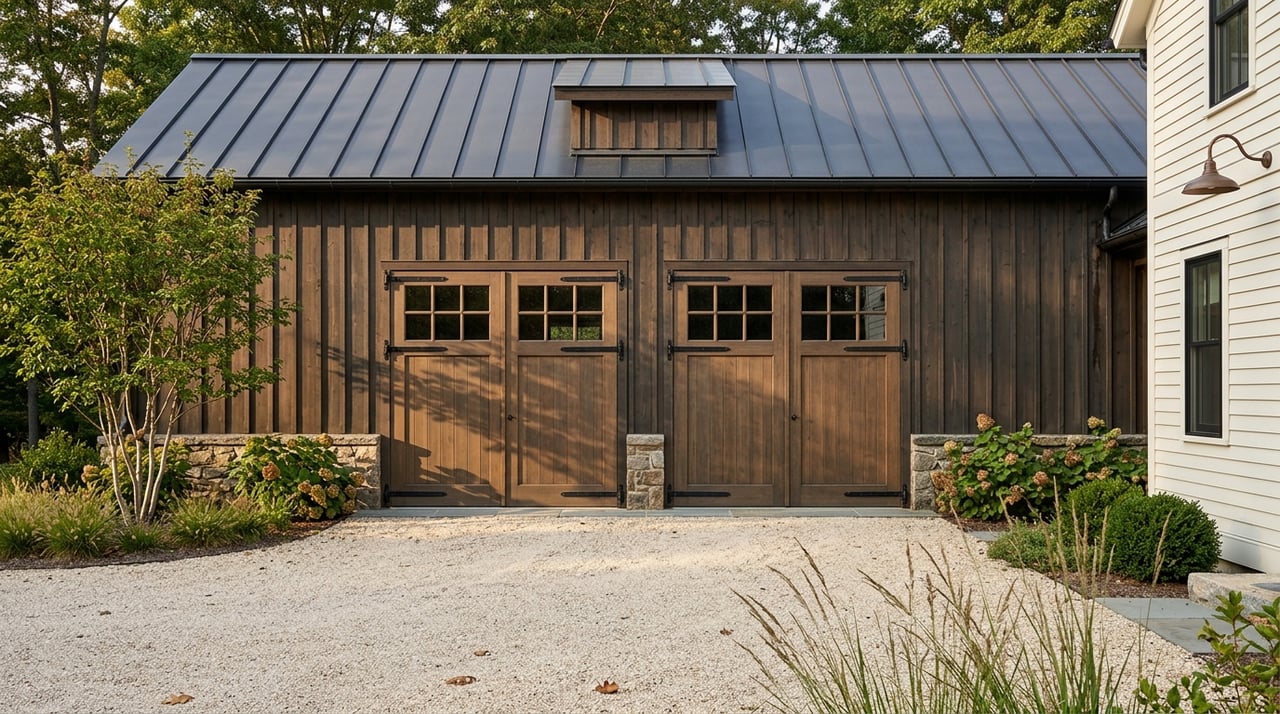
Wondering why one beautiful Millbrook home gets immediate interest while another lingers? In a market filled with village houses, country retreats, acreage parcels, and equestrian properties, pricing a distinctive home is rarely as simple as checking the latest median price. If you are preparing to sell, understanding how buyers and appraisers look at special features can help you price with more confidence and fewer surprises. Let’s dive in.
Millbrook pricing starts with location
In Millbrook, your mailing address does not always tell the full story. The Village of Millbrook notes that many properties with a Millbrook mailing address are actually located outside the village in the Town of Washington or the Town of Union Vale.
That matters because pricing should be based on the home’s actual location and jurisdiction, not the mailing label alone. A village home, a country property in Washington, and a home in Union Vale may attract different buyers and different comparable sales.
Millbrook is a mixed market
Millbrook is a small historic village with a strong identity in the Hudson Valley. Local community sources describe a setting shaped by culture, country living, and an equestrian presence, and events like the Millbrook Horse Trials reinforce that profile.
For sellers, this means your likely buyer may not be just a local move-up buyer. Depending on the property, your audience could also include second-home buyers, equestrian users, or buyers drawn to architecture, privacy, and setting.
Public market data also shows why careful pricing matters. Realtor.com’s April 2026 snapshot reported 35 homes for sale in Millbrook, a median listing price of $1.2 million, and a median 81 days on market, with Millbrook labeled a buyer’s market in March 2026.
That is a very different picture from Dutchess County overall, which showed 834 homes for sale, a median listing price of $549,450, a median 49 days on market, and a 99% sale-to-list ratio in April 2026. In a small market like Millbrook, one median number can hide major differences between property types.
Why broad averages can mislead
If your home is distinctive, the county median or even the Millbrook median may not be the most useful guide. A renovated in-village house, a large-acreage estate, and a horse property can all sit under the same geographic label while competing in very different pricing lanes.
That is why pricing should begin with the right property category. The strongest strategy usually compares homes by use, setting, legal characteristics, and buyer appeal, rather than relying on broad averages alone.
Features that may affect value
Distinctive homes often have features that are meaningful, but not always in the way sellers expect. Buyers may love these features, but market value depends on whether the broader market recognizes their utility and appeal.
Acreage value is not linear
More land does not automatically mean a simple price increase per acre. Usable land, privacy, topography, access, frontage, and maintenance needs all shape how buyers see value.
In a place like Millbrook, acreage can absolutely matter. Still, two 20-acre properties may command very different prices if one has better access, more practical layout, or stronger alignment with likely buyer needs.
Equestrian improvements need market support
Barns, paddocks, riding arenas, and related features can be a major asset when they match what buyers want. Stall count, drainage, paddock layout, storage, and legal use often matter more than size alone.
In Millbrook, where the equestrian identity is part of the local landscape, these features may expand your buyer pool. But they do not always return dollar-for-dollar what was spent to build them.
Guest houses and accessory buildings matter most when clear and legal
A guest house, studio, or accessory structure can be a strong selling point. Its value is usually highest when it is legally permitted, accurately described, and useful to the likely buyer.
If there is uncertainty around permits or legal use, buyers and appraisers may treat the space more cautiously. Before pricing, it is worth confirming how each structure should be represented.
Renovations help when they fit the home
Design-forward updates can absolutely support pricing, especially in the Hudson Valley where buyers often respond strongly to thoughtful condition and style. But the market tends to reward renovations that improve function, condition, and overall appeal in a way that fits the property type.
A striking renovation is not always the same as full value recovery. If improvements are highly personal or exceed what the likely buyer expects for the setting, resale payback may be more limited.
Comparable sales are the foundation
For a distinctive Millbrook home, the real question is not, “What did the nicest nearby house sell for?” It is, “Which recent sales are truly most comparable to this property?”
Appraisal guidance emphasizes choosing comparable sales with similar physical and legal characteristics, and as close to the subject property as possible. In Millbrook, that often means comparing village homes with village homes, horse properties with horse properties, acreage parcels with acreage parcels, and estate-style homes with similar listings.
When inventory is thin, the search may widen
Millbrook is not a large, uniform market. When there are too few strong recent matches, older sales or properties from a wider geographic area may be more useful than a poor local comp.
Guidance for rural and limited-sales markets allows for older or more distant comparable sales when they are the best indicators of value, provided the reasoning is explained and market changes are accounted for. In practical terms, that means a careful pricing analysis may need to look beyond the most recent sale down the road.
Active and pending listings also matter
Sold data tells you what the market accepted in the past. Active listings and pending sales help show what buyers are responding to right now.
That is especially important in a selective market. If one or two unusual sold listings skew the picture, current competition can provide a reality check on whether your asking price feels compelling, ambitious, or out of step.
Today’s market rewards accuracy early
As of June 11, 2026, Freddie Mac reported the average 30-year fixed mortgage rate at 6.52%. At the same time, broader housing data showed that buyers are still active, inventory remains relatively tight, and days on market are lengthening.
In Millbrook, longer median market time suggests buyers are willing to wait for the right fit. That makes first-price accuracy especially important for a distinctive home.
Millbrook’s reported median 81 days on market is notably longer than Dutchess County’s 49 days. Even if homes are still selling close to asking on average, an initial price that misses the mark can cause a listing to lose momentum while buyers wait for an adjustment.
Presentation can reduce buyer hesitation
For a unique property, strong presentation is not just about beautiful photos. It is about reducing uncertainty.
The most helpful materials often include:
- A clear list of standout features
- Permit history for additions or accessory structures
- A site plan or aerial showing acreage and outbuildings
- Professional photography that explains layout, flow, and setting
When buyers understand what they are looking at and how the property functions, they are better equipped to see the value. That clarity can support stronger pricing and more confident offers.
A smart pricing mindset for Millbrook sellers
If you are selling a distinctive home, the goal is usually not to chase the highest imaginable number. The goal is to identify the price that best matches your home’s actual comp set, legal profile, physical features, and likely buyer pool.
That approach is especially important in Millbrook, where the market is small, varied, and nuanced. Thoughtful pricing can protect your momentum, support serious interest early, and position your home more effectively from day one.
A tailored strategy is often what separates a listing that sits from one that finds the right buyer. If you are considering selling in Millbrook and want a clear, data-informed pricing conversation, Kyle Elizabeth Irwin can help you evaluate your home with discretion, care, and local insight.
FAQs
How should you price a distinctive home in Millbrook, NY?
- Start with the most comparable properties by type, use, setting, and legal characteristics, rather than relying on broad median prices alone.
Why is a Millbrook mailing address not enough for pricing a home?
- Because some properties with a Millbrook mailing address are actually located outside the village, pricing should reflect the home’s true jurisdiction and market area.
Do barns and equestrian features always add value in Millbrook?
- No. They can increase appeal for the right buyer, but value depends on utility, condition, layout, legal use, and overall market reaction.
Do guest houses and accessory buildings increase home value?
- They often help most when they are legally permitted, clearly described, and useful to the likely buyer.
Why do distinctive Millbrook homes need a different comp strategy?
- Because Millbrook is a thin, mixed market where village homes, acreage properties, estates, and equestrian listings may compete in very different pricing categories.