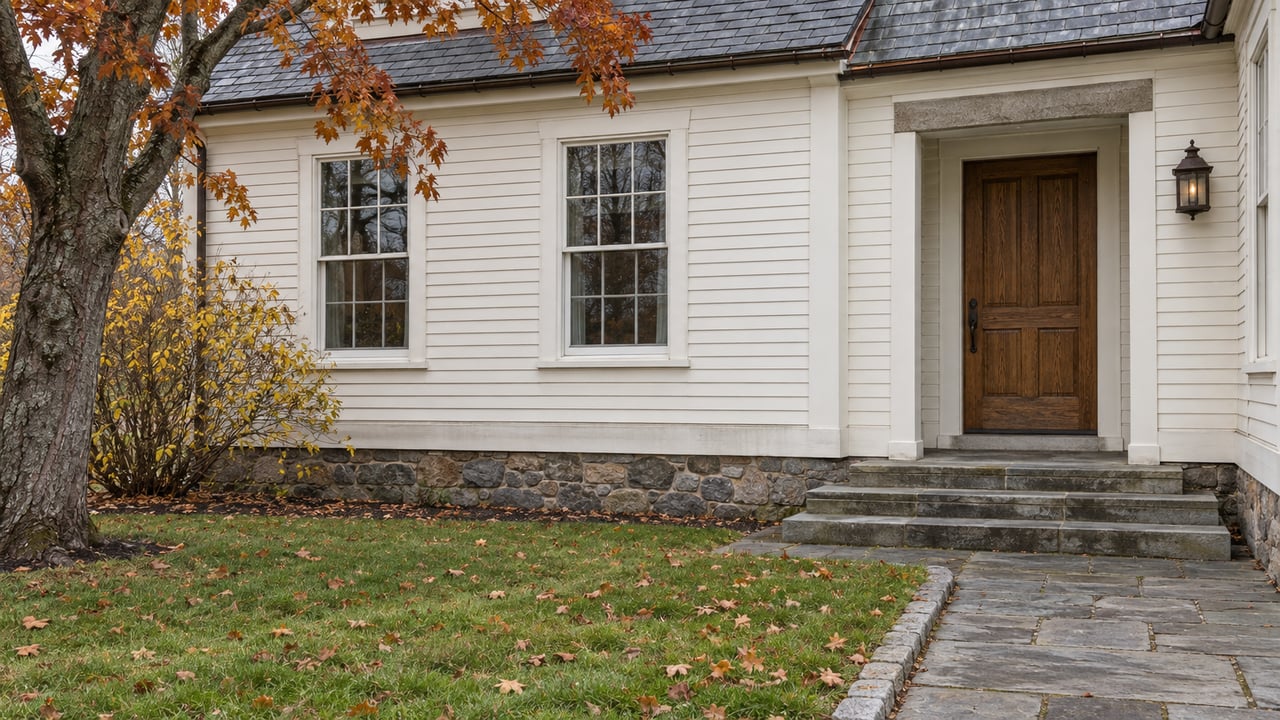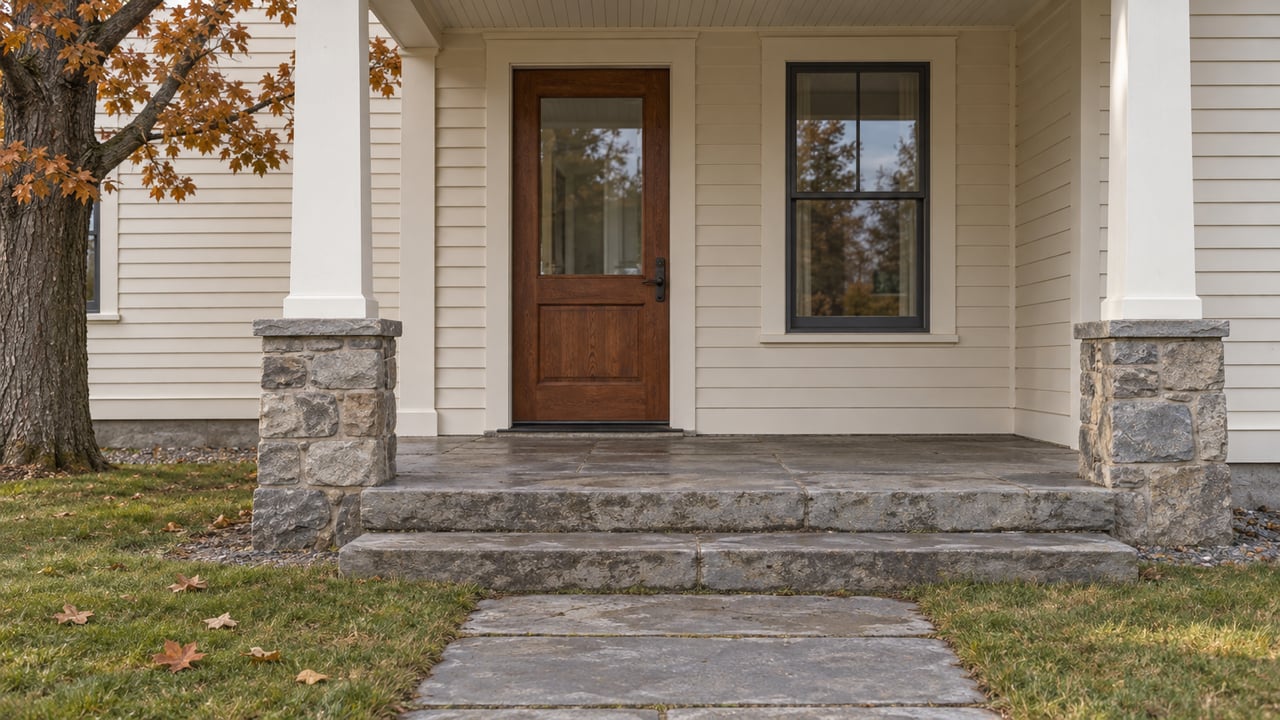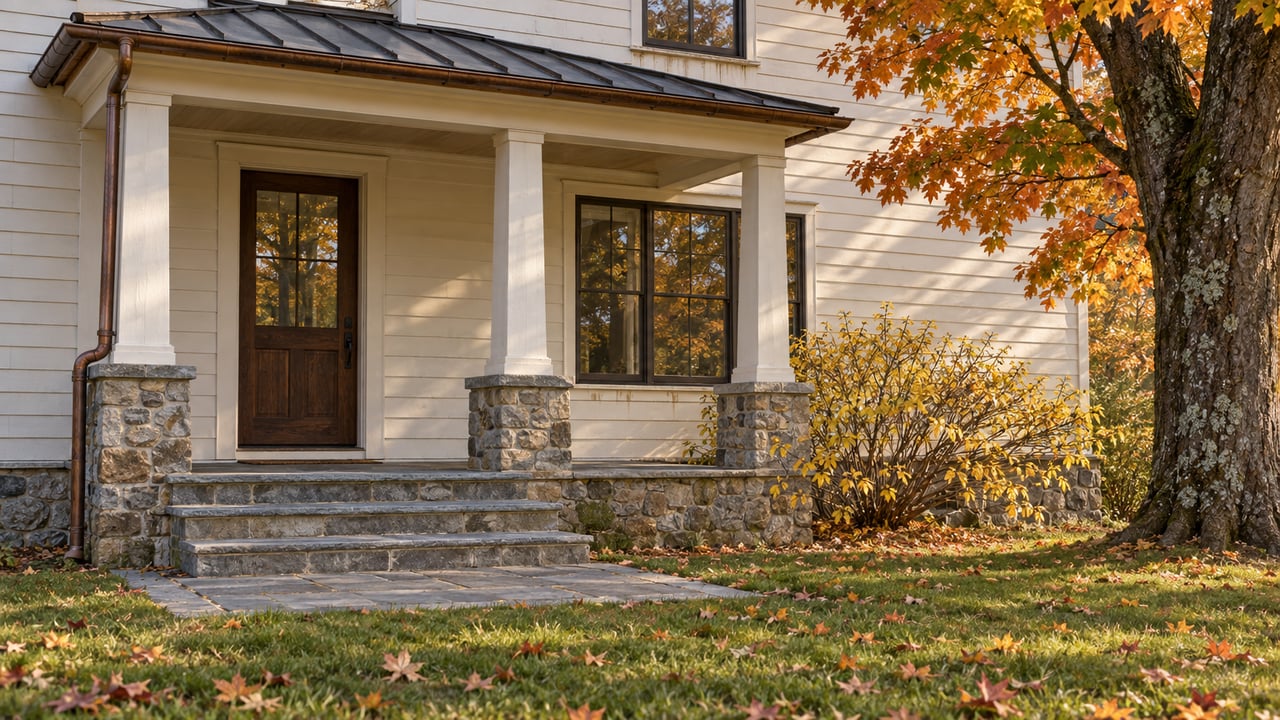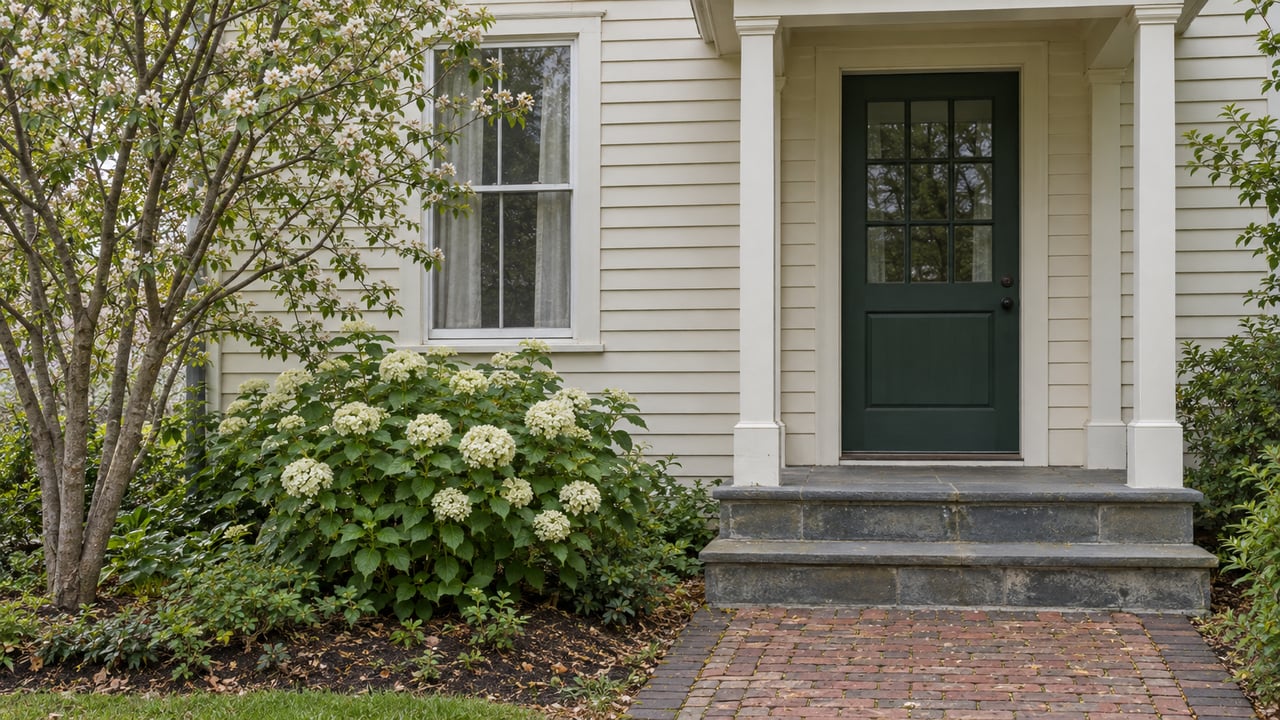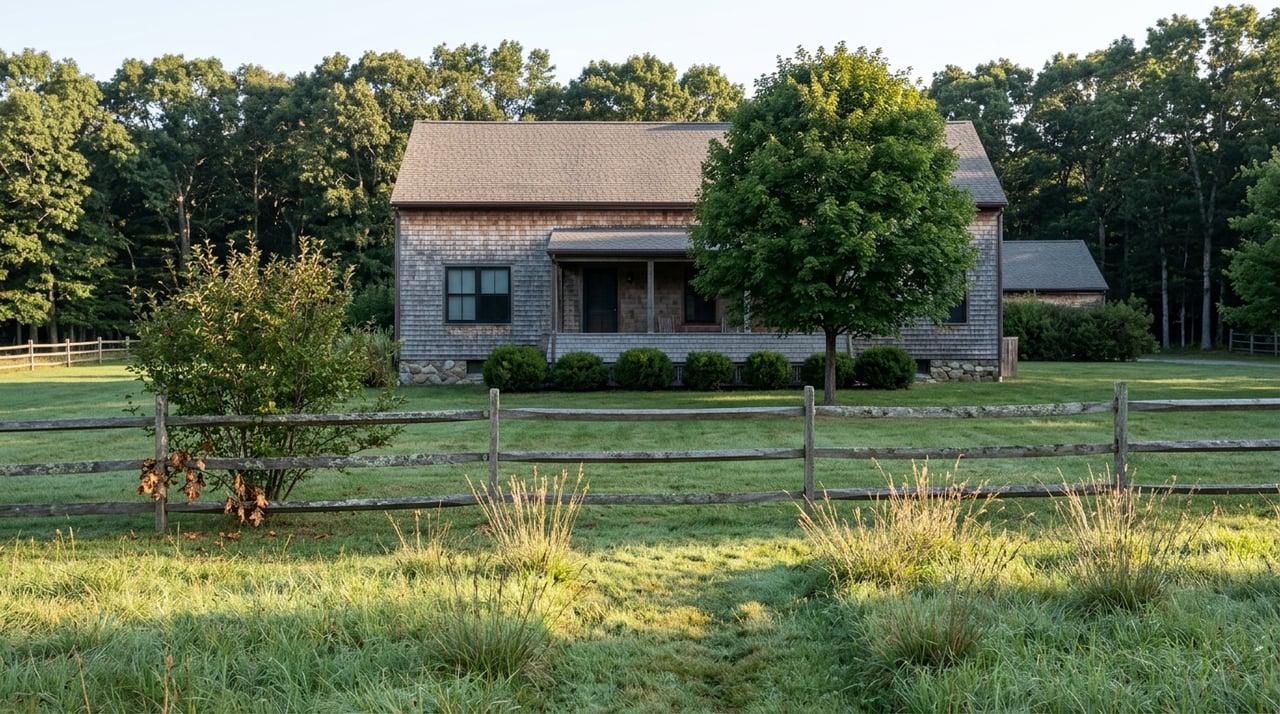
On the east side of North Broadway in Red Hook, one farm is being asked to do two contradictory things at once. Most of the old Cookingham property now sits under a conservation easement over the agricultural portion, as reported by the Town of Red Hook. Twelve acres next door were sold off in June 2025 for $400,000, cleared for the opposite outcome: forty new homes.
That single parcel tells you more about this stretch of Dutchess County than a listing sheet ever could. Red Hook and Milan sit side by side, share a school district, and share roughly the same drive time down to the Taconic. On paper they read as one market. In their zoning codes, they are choosing opposite futures, and that choice, more than this month's median price, is what a buyer comparing the two towns is actually deciding between.
One Farm, Two Answers
The nonprofit behind the Red Hook Gateway project is RUPCO, a Kingston-based affordable housing developer with decades of work across the mid-Hudson Valley. Its plan for the Cookingham East parcel splits the forty units evenly: twenty rental apartments and twenty single-family homes built for first-time, income-qualified buyers. Dutchess County backed the project with an $850,000 Housing Trust Fund award in October 2025, and RUPCO's leadership has said it hopes to see final village approval by the end of 2026, with construction starting in 2027.
The other side of the same farm tells the reverse story. When the town purchased the Cookingham land outright, Scenic Hudson and the Dutchess Land Conservancy stepped in to place a conservation easement over the agricultural portion. Scenic Hudson's own description of the deal called Red Hook one of the region's most proactive towns in conserving open space while also making room for affordable housing. One farm, one town, two permanent outcomes written into the same transaction.
A Comprehensive Plan From 1968 Meets North Broadway
Zoning is not usually something buyers think about until it changes the thing they're standing in front of. In Red Hook's case, it had to change before RUPCO could build at all. Under the village's existing code, the Cookingham project simply wasn't allowed. So in March 2026, the Village Board voted to adopt the North Broadway Corridor Land Use and Zoning Study, a document that amends a comprehensive plan the village had not touched since 1968, and clears the way for a new mixed-use district called Gateway North.
That vote did not happen quietly. When the proposed district's list of permitted business uses came before the board in late 2025, Village Trustee Frances Uku argued the restrictions went too far, warning the proposed law was "not welcoming to entrepreneurs seeking to start up in the village," as reported by The Daily Catch. Deputy Mayor Melkorka Kjarval countered that the language simply matched how every other district in the village code already works. Both positions are on the public record, and both are worth knowing if you're buying near North Broadway: the direction is toward more housing and more commercial flexibility, but the pace and shape of that growth are still being argued over in real time.
Fifteen Minutes West, The Opposite Bet
Drive fifteen minutes into Milan and the zoning philosophy flips entirely. Nearly the whole town is mapped as Very-Low-Density Agricultural or Agricultural district, and the code says so plainly: the purpose is to maintain rural character where small and large farms coexist, to keep residential development sparse, and to protect open space and natural resources over adding housing stock. Where the town does allow smaller lots through cluster development, it's an explicit trade: builders get flexibility on lot configuration only if the total density stays capped and open space gets preserved as a result, not eliminated.
Commercial zoning in Milan exists in exactly two places, the small hamlet centers of Lafayetteville and Rock City, both zoned specifically to keep mixed-use activity contained to a walkable scale rather than let it spread along a corridor. There is no equivalent to Red Hook's North Broadway debate happening in Milan, because the code was never built to host that kind of growth in the first place. It's a big part of why Milan remains, by a wide margin, the least densely populated town in Dutchess County. Listings there still skew toward raw acreage and land rather than finished, move-in-ready homes, which is consistent with a town that zones for farms and forest before it zones for subdivisions.
| Red Hook (village core) | Milan | |
|---|---|---|
| Current zoning direction | Actively expanding, zoning study adopted 2026 | Holding steady, largely unchanged since the 1990s code |
| Development pattern | Planned 40-unit workforce and single-family project, Cookingham East | Individual homes on existing large lots, little new subdivision |
| Commercial zoning | Village center plus a new North Broadway corridor | Two small hamlet nodes, Lafayetteville and Rock City |
| Recent zoning action | Comprehensive plan amended, first update since 1968 | No comparable rezoning underway |
| What shapes development | An agricultural conservation easement on most of the farm | Agricultural and low-density zoning across nearly the entire town |
What This Actually Means If You're Choosing Between Them
If you're weighing these two towns against each other, the price on a listing that month is telling you less than you think. Both markets are thin enough that a handful of closings can swing the number sharply from one snapshot to the next, public data for Red Hook has shown as few as two homes closing in a single month, which means a single high-end sale or a single distressed sale can move the median more than any underlying shift in value. Treat any single month's figure as a data point, not a verdict.
What the zoning tells you is more durable. Buying near Red Hook Village right now means buying into a place that is deliberately adding housing stock and commercial flexibility over the next several years, which can mean more amenities and more activity close by, alongside the kind of change that comes with new construction near an established village edge. Buying in Milan means buying into a town whose code is built to keep that kind of change from happening at all. If the appeal of a property is the acreage around it and the quiet that comes with knowing that acreage isn't going anywhere, Milan's zoning is doing real work to protect that. If the appeal is walkable village life with room for it to grow, Red Hook is where that growth is actually being planned.
Neither path is better. They're just different bets, written into law well before either town shows up in a search result.
Will Red Hook's rezoning affect nearby home values right away? Zoning changes tend to shape a market over years, not months. The Gateway North district still needs final approvals and the Cookingham project isn't expected to break ground before 2027, so the more immediate effect for buyers today is simply knowing that new inventory and new neighbors are coming to that corridor eventually.
Could Milan's zoning ever loosen the way Red Hook's did? Any town can amend its zoning code, but Milan's current law was built around goals, protecting agriculture, capping density, and steering commercial use into two small hamlets, that would all have to change together. Nothing in the town's recent planning history suggests that shift is underway.
If you're trying to figure out which of these two towns actually fits how you want to live, not just what the search filters say, that's a conversation worth having before you start touring. Kyle Elizabeth Irwin knows both sides of this line well enough to walk you through what each one is really offering. Let's connect.
This article is general information, not legal, tax or financial advice. Consult a qualified professional about your situation.