What does farm-to-table living actually look like when you live in Red Hook or Milan? Here, it is not just a restaurant trend or a nice weekend plan. It is part of the landscape, part of the local rhythm, and often part of why buyers are drawn to this corner of Dutchess County in the first place. If you are considering a move or simply trying to understand the appeal, this guide will show you how agriculture shapes daily life, what local stops define the experience, and how that lifestyle can influence the kind of home that feels right. Let’s dive in.
Why Red Hook and Milan Feel Rooted in Food
Farm-to-table living around Red Hook and Milan begins with the land itself. According to Cornell Cooperative Extension’s 2022 community profiles, 35% of Red Hook and 27% of Milan are in agricultural use. Red Hook has 264 farm parcels and 8,974 acres in farms, while Milan has 148 farm parcels and 6,403 acres in farms.
That local picture matters even more when you zoom out to the county level. Dutchess County agriculture covers more than 170,000 of the county’s 512,000 acres and produces $44.8 million in goods. In other words, farming here is not a backdrop. It remains an active part of the regional economy and identity.
Local policy supports that reality. Red Hook’s comprehensive plan emphasizes preserving agricultural land while balancing growth and community needs, and Milan’s history and planning documents describe a rural community shaped by agriculture and extensive woodlands. Both towns show a clear pattern of valuing open land, rural character, and long-term agricultural use.
How Agriculture Shapes Daily Life
In many places, farm-to-table means driving out for a special Saturday activity. Around Red Hook and Milan, it often becomes part of your weekly routine. You can build meals, gatherings, and even seasonal traditions around farm markets, orchard visits, and produce stands.
The active season runs strongest from spring through fall. Greig Farm offers pick-your-own from May to October, Montgomery Place Orchards runs its stand from mid-May through November, and Rose Hill Farm begins apple picking in early September. Those seasonal patterns create a living calendar that naturally pulls you outdoors.
At the same time, this is not a lifestyle limited to a few harvest weekends. Greig Farm’s market and café are year-round, and several area farm shops and tasting rooms invite repeat visits. The overall rhythm feels less like tourism and more like an ongoing connection to what is growing, being made, and being shared close to home.
Red Hook Farm Stops to Know
Greig Farm
Greig Farm is one of the clearest expressions of this lifestyle. The family-run farm has been stewarding the land since 1942 and operates as an agricultural park with a year-round market and café. A farm job posting describes it as a 300-acre diversified family farm with about 100 acres of berries, apples, and vegetables.
For everyday living, Greig Farm offers the kind of place you return to often. It combines practical shopping with a sense of season and place. CSA shares, produce, and pick-your-own activities help connect the local food landscape to your kitchen in a very direct way.
Rose Hill Farm
Rose Hill Farm brings a different but equally important layer to the story. Established in 1798, this family-owned pick-your-own orchard spans roughly 114 acres and grows cherries, blueberries, plums, apricots, peaches, and apples. It also hosts food pop-ups and weekend events, adding a social dimension to the farm experience.
What makes Rose Hill especially distinctive is how it blends agriculture with leisure. You might go for fruit, but the visit can turn into an afternoon outing. That mix of orchard, event space, and relaxed gathering spot is a big part of what gives Red Hook its lifestyle appeal.
Montgomery Place Orchards
Montgomery Place Orchards offers a classic wayside-stand experience that feels deeply Hudson Valley. Open from mid-May through November, the stand sells fruits, vegetables, and flowers grown on a 200-year-old farm, along with cider donuts, honey, and products from other Hudson Valley growers and makers.
For buyers who picture country living as simple and grounded, this kind of stop often fits the vision. It is approachable, seasonal, and woven into the routine of the area. It also reflects how local farms support one another by featuring goods from nearby producers.
Sawkill Farm
Sawkill Farm adds another dimension to Red Hook’s food culture. This 200-acre livestock operation began in 2010 and raises 100% grass-fed and pasture-raised meats. Over time, it has expanded into products like yarn, pelts, soaps, and bone broths.
That broader mix matters because it shows how local agriculture here can extend beyond produce. The farm-to-table idea in Red Hook is not limited to vegetables and orchards. It also includes small-scale meat production and other goods made directly from the farm’s operations.
Milan’s Rural Food Landscape
Milan has a quieter profile, but it contributes meaningfully to the region’s agricultural identity. Cornell Cooperative Extension reports 6,403 acres in farms and 148 farm parcels in town. Much of Milan’s agricultural acreage is in the western part of town, and local zoning emphasizes low-density residential patterns and cluster development within its rural setting.
That planning approach helps preserve the spacious feel many buyers are looking for. It also supports the sense that living in Milan can mean being close to active farmland, wooded areas, and a slower, more open daily rhythm. For some buyers, that quieter setting is exactly the point.
One local example is Branchwater Farms in Milan, which combines heirloom fruits and grains with a farm store that sells its own dairy and meat along with New York beers, ciders, wines, and spirits. It reflects the same local-first spirit found in Red Hook, but with a distinctly rural Milan feel.
Orchard-to-Glass Culture in Red Hook and Milan
The beverage scene here is worth noting because it expands the meaning of farm-to-table living. Rather than a single wine-focused corridor, Red Hook and Milan offer a broader orchard-to-glass and farm-store culture. That variety gives the area a more layered and more local feel.
Rose Hill Ferments produces low-intervention wines, ciders, and co-ferments from primarily estate-grown fruit at Rose Hill Farm. Cooper’s Daughter’s Red Hook farm shop curates New York natural wine, beer, and cider alongside its own spirits and local food products. Jordan Homestead Farm Brewery at Greig Farm, which opened in 2023, uses barley from Greig plus seasonal fruit from local farms.
Together, these businesses show how agriculture here continues into what is poured at the table as well as what is served on it. If you enjoy places where local production is visible and tangible, this is part of what makes the area so compelling. It creates a culture of tasting, gathering, and shopping that feels tied to the land rather than imported from elsewhere.
What This Means for Homebuyers
If you are drawn to farm-to-table living, the home search often becomes about more than square footage. In Red Hook and Milan, the setting matters. The relationship between the house and the surrounding land can shape how fully you experience the lifestyle.
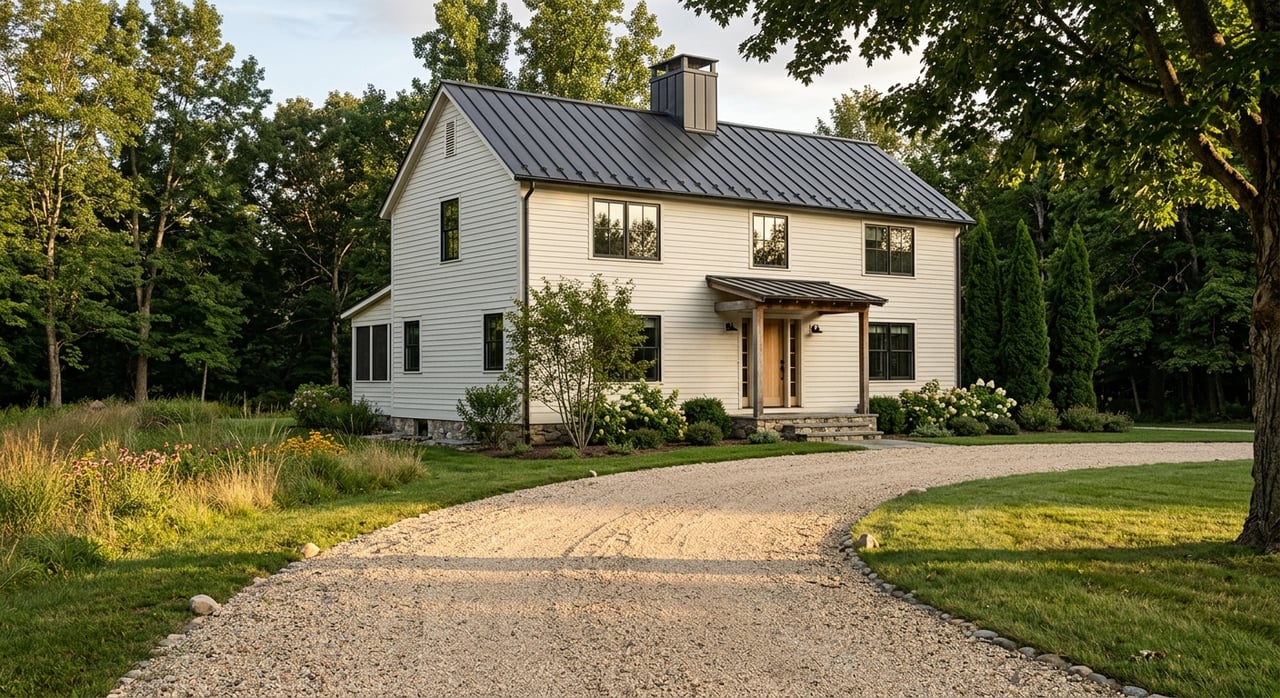
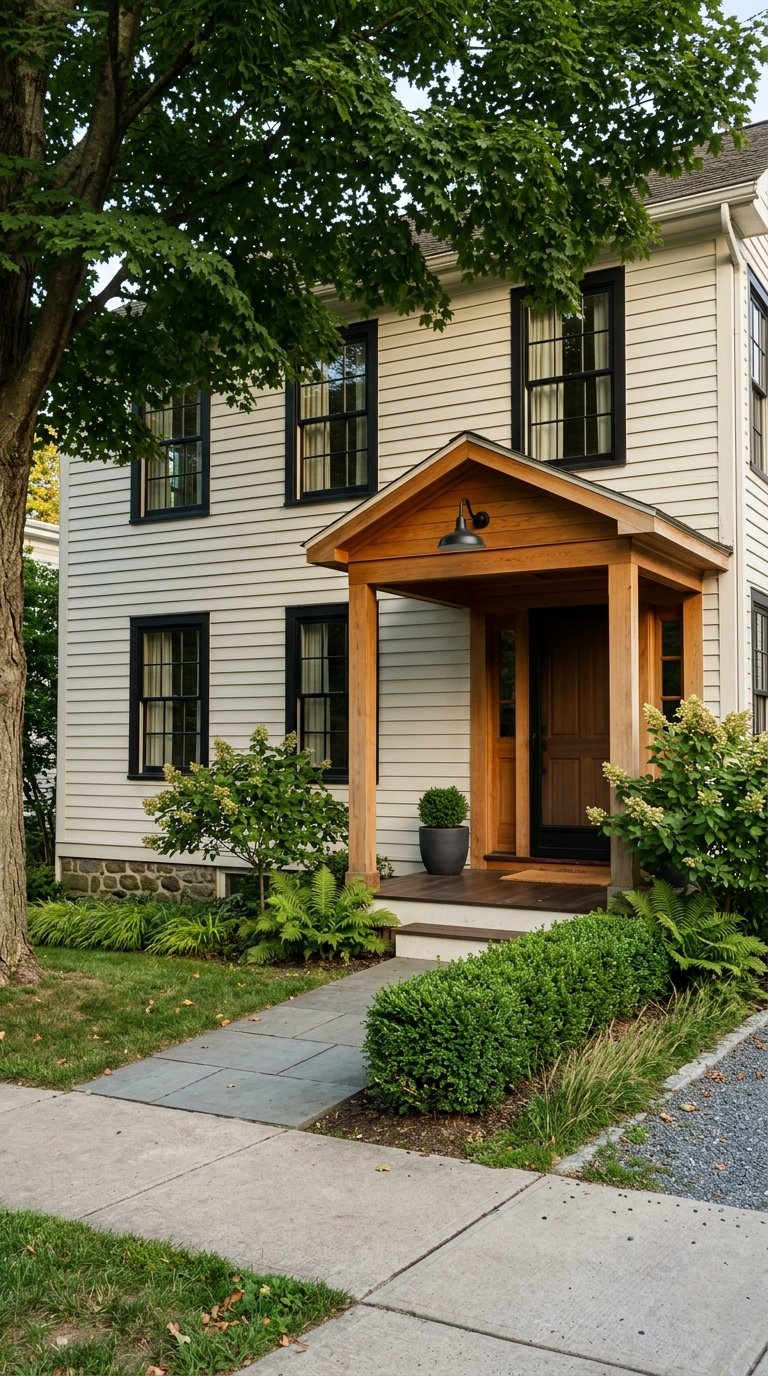
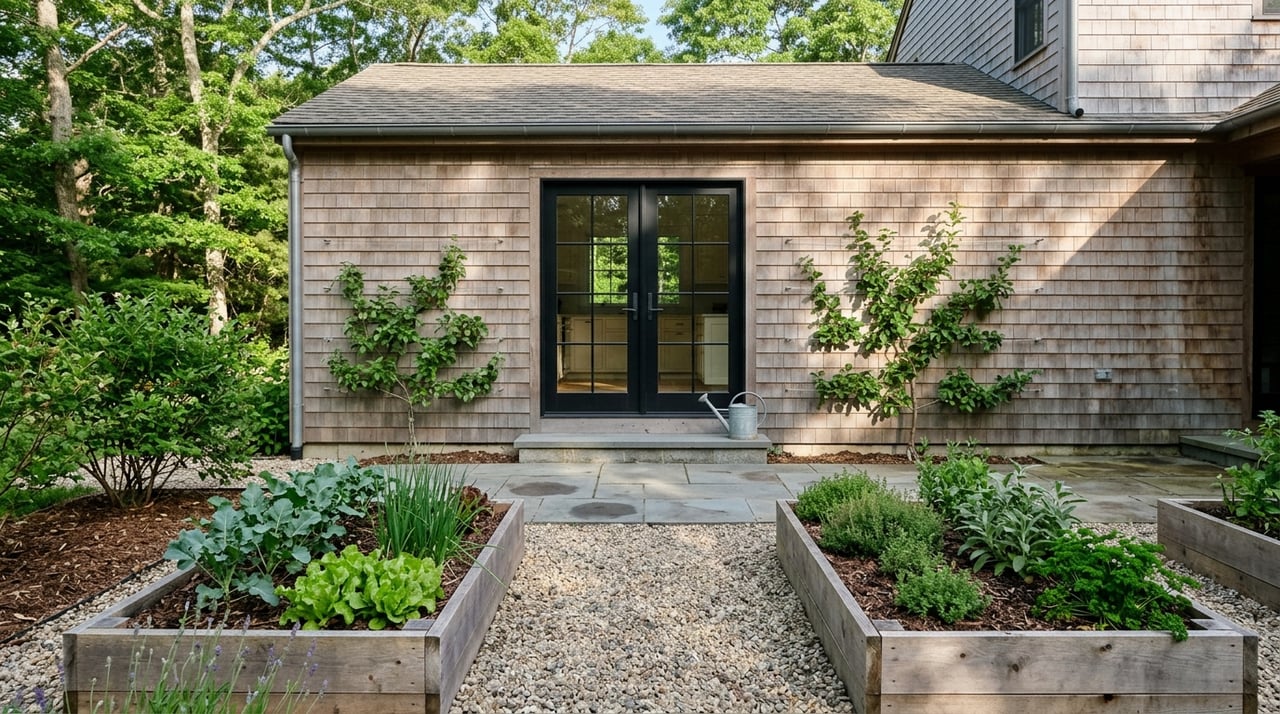
Based on local land-use priorities, the most natural home settings here often include farmhouses, rural parcels, and low-density properties with space for gardens or outbuildings. Some buyers are looking for privacy and views. Others want easy access to town while still feeling connected to open land and seasonal farm activity.
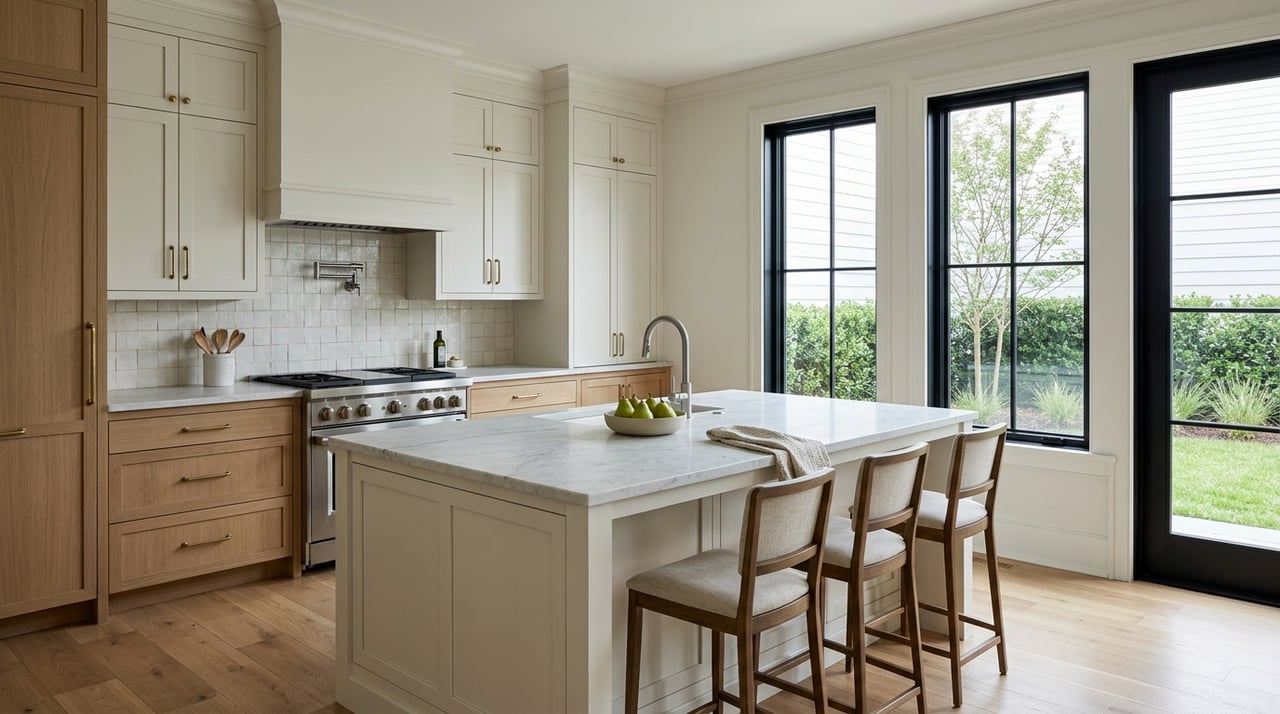
That does not mean every buyer needs acreage. It means your search benefits from clarity about how you want to live. If your ideal weekend includes a produce stop, orchard visit, and dinner built around local ingredients, you may value a home with a strong indoor-outdoor flow, a generous kitchen, a garden area, or a location that makes those routines easy.
What Sellers Can Highlight
For sellers in Red Hook or Milan, this lifestyle can be an important part of how a property is positioned. Buyers are often responding to a full picture that includes not only the house itself, but also the patterns of living the setting makes possible. Proximity to local farms, farm stands, orchards, and tasting rooms can help tell that story.
The key is to frame those details with accuracy and restraint. A property does not need to be a working farm to appeal to buyers who want a farm-to-table rhythm. Sometimes the strongest value lies in a home’s kitchen, entertaining spaces, outdoor dining setup, garden potential, or location within a landscape shaped by agriculture.
This is where local context matters. Understanding how Red Hook and Milan differ, and how buyers experience each one, can help shape a more thoughtful strategy from the start.
Why This Lifestyle Resonates
Farm-to-table living around Red Hook and Milan resonates because it feels real. The farms are active, the land-use patterns support rural continuity, and the weekly routine can genuinely revolve around local products and seasonal experiences. It is not a borrowed brand story. It is part of everyday life here.
For some people, that means weekend orchard trips and a kitchen stocked from nearby markets. For others, it means finding a home where privacy, land, and access to this food landscape all come together. Either way, Red Hook and Milan offer a version of Hudson Valley living that feels grounded, beautiful, and closely tied to place.
If you are considering buying or selling in Red Hook, Milan, or nearby Hudson Valley towns, working with someone who understands both the market and the lifestyle can make the process far more effective. For tailored guidance, local insight, and thoughtful representation, connect with Kyle Elizabeth Irwin.
FAQs
What does farm-to-table living mean in Red Hook and Milan?
- In Red Hook and Milan, farm-to-table living means regular access to working farms, farm markets, orchards, produce stands, and locally made food and drinks that can become part of your everyday routine.
How much farmland is in Red Hook and Milan?
- Cornell Cooperative Extension’s 2022 community profiles report that 35% of Red Hook and 27% of Milan are in agricultural use.
Which farms are popular in Red Hook for local food?
- Well-known Red Hook area stops include Greig Farm, Rose Hill Farm, Montgomery Place Orchards, and Sawkill Farm, each offering a different piece of the local food landscape.
What is the farm beverage scene like around Red Hook and Milan?
- The area’s beverage culture is centered on orchard-to-glass and farm-store experiences, including cider, low-intervention wines, beer, and spirits connected to local fruit and grains.
What kinds of homes fit the farm-to-table lifestyle in Red Hook and Milan?
- Buyers often look for farmhouses, rural parcels, and low-density properties with space for gardens, outdoor dining, or a strong connection to the surrounding agricultural landscape.
Why do buyers choose Milan for a rural lifestyle?
- Milan appeals to buyers who want a quieter, low-density setting with agricultural land, woodlands, and a slower pace that still connects naturally to the broader Red Hook area food culture.